The topic of measurements and layout when buying bedroom furniture is often overlooked. Yet the bedroom is the most personal and most restful space in the home. Furniture chosen with incorrect measurements can make this space uncomfortable, cramped, and impractical.
A bedroom should be as comfortable and functional as it is stylish. The core element that achieves this balance is proper sizing and the right layout plan. In this article, we cover in full detail why measurements and layout are so critical when choosing bedroom furniture.
Why Is Space Planning Necessary in a Bedroom?
A bedroom isn't just about the bed. Different pieces of furniture such as wardrobes, nightstands, dressers, and sometimes even a work area, are used together in this space. This is why unplanned purchases quickly make a room look cluttered.
Furniture bought without space planning can:
- Restrict movement space
- Make the room appear smaller than it is
- Cause discomfort in daily use
Proper planning, on the other hand, brings both order and comfort to the bedroom.
Bed Size Directly Affects How the Room Is Used
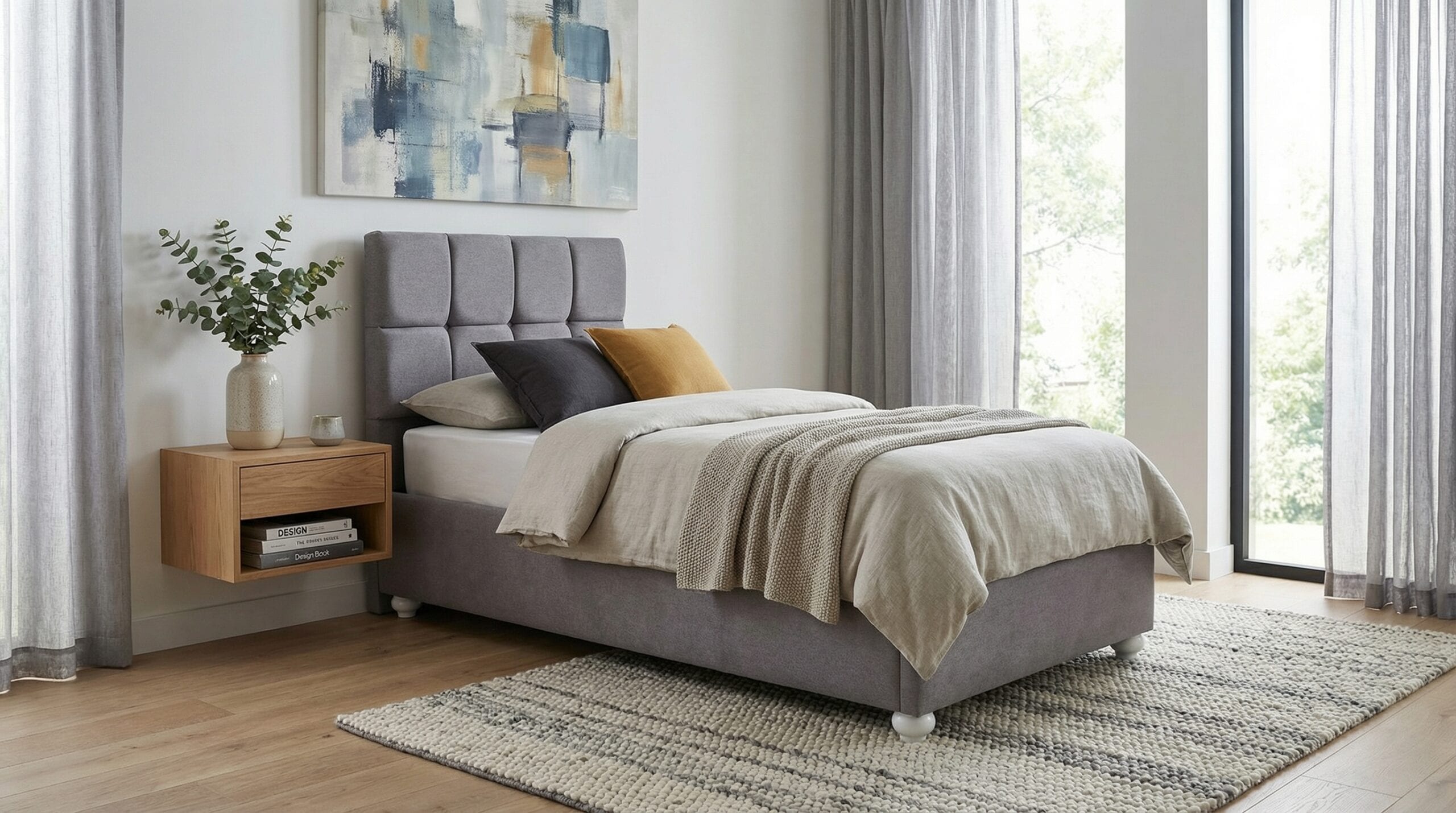
The bed is the largest piece of furniture at the center of the bedroom. This is why choosing the right bed size is extremely important.
A large bed in a small room can:
- Block passage areas
- Make it hard to use the nightstands
- Make the room feel suffocating
When choosing a bed, it's not just the room's dimensions that matter but also the space to be left around the bed. Leaving enough room on both sides of the bed for easy movement greatly improves everyday comfort.
Size and Door Type When Choosing a Wardrobe
One of the most common mistakes made in bedrooms is choosing the wrong wardrobe size. Large, deep wardrobes can cause serious space loss in smaller rooms.
The door type, in particular, matters a great deal here:
- Sliding doors are better suited to tight spaces
- Hinged doors require extra clearance space
When choosing a wardrobe, attention should be paid not only to width but also to depth and how the doors open.
How Should Nightstands and Dressers Be Placed?
Complementary pieces like nightstands and dressers shape both the functionality and the aesthetics of a bedroom. But if their size and placement aren't right, the space becomes cramped.
Nightstands should:
- Match the height of the bed
- Not obstruct passage areas
Dressers, meanwhile, are usually best placed along a wall, with door or drawer clearance taken into account.
Bed Base and Mattress Height Affect Comfort
The height of the bed base and mattress is another detail that's often overlooked in bedrooms. Beds that are too low or too high can create discomfort in daily use.
The right height:
- Makes it easy to sit down and get up from the bed
- Creates a well-balanced look in the bedroom
- Ensures ease of use over the long term
The bed base and mattress should be chosen together, with the measurements determined accordingly.
Layout Tips for Small Bedrooms
In small bedrooms, the right layout can make the space look larger than it actually is.
Recommendations for small spaces:
- Avoid furniture made up of too many separate pieces
- Choose bed bases that offer storage space
- Use light-colored furniture
- Don't let unnecessary accessories eat up space
These details make a real difference in small bedrooms.
The Right Layout Creates a More Comfortable Living Space
Measurements and layout, when buying bedroom furniture, mean much more than just aesthetics. Bedrooms created with correct measurements and a thoughtful layout plan offer a living space that is both more comfortable and more peaceful.
Even a few centimeters of difference in furniture choice can make a big impact over time. For this reason, bedroom furniture should be chosen carefully and with a clear plan, without rushing.
Let's find the right model together
Let Belvora AI recommend the best model for your room size and lifestyle.
Get a free quote