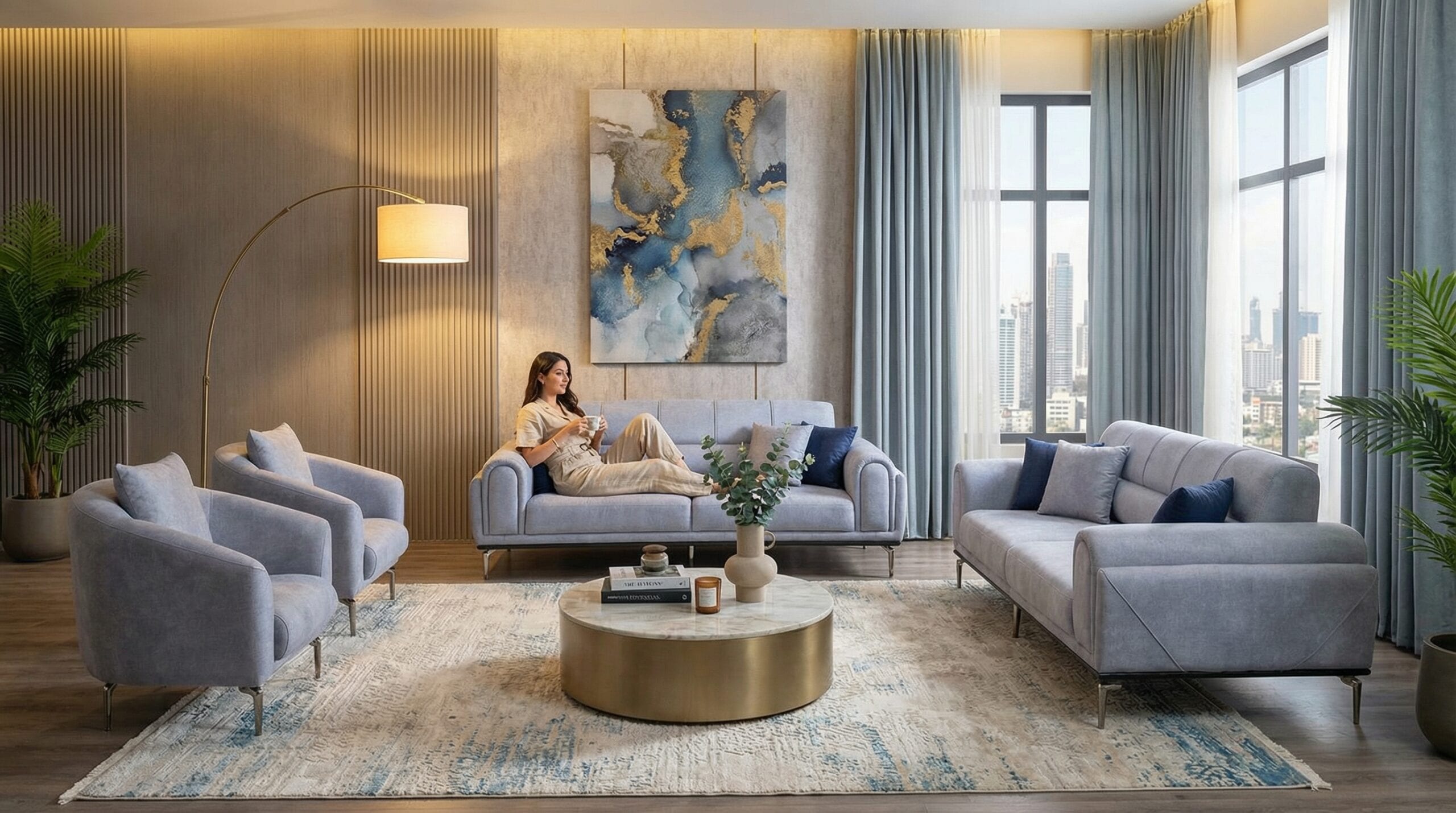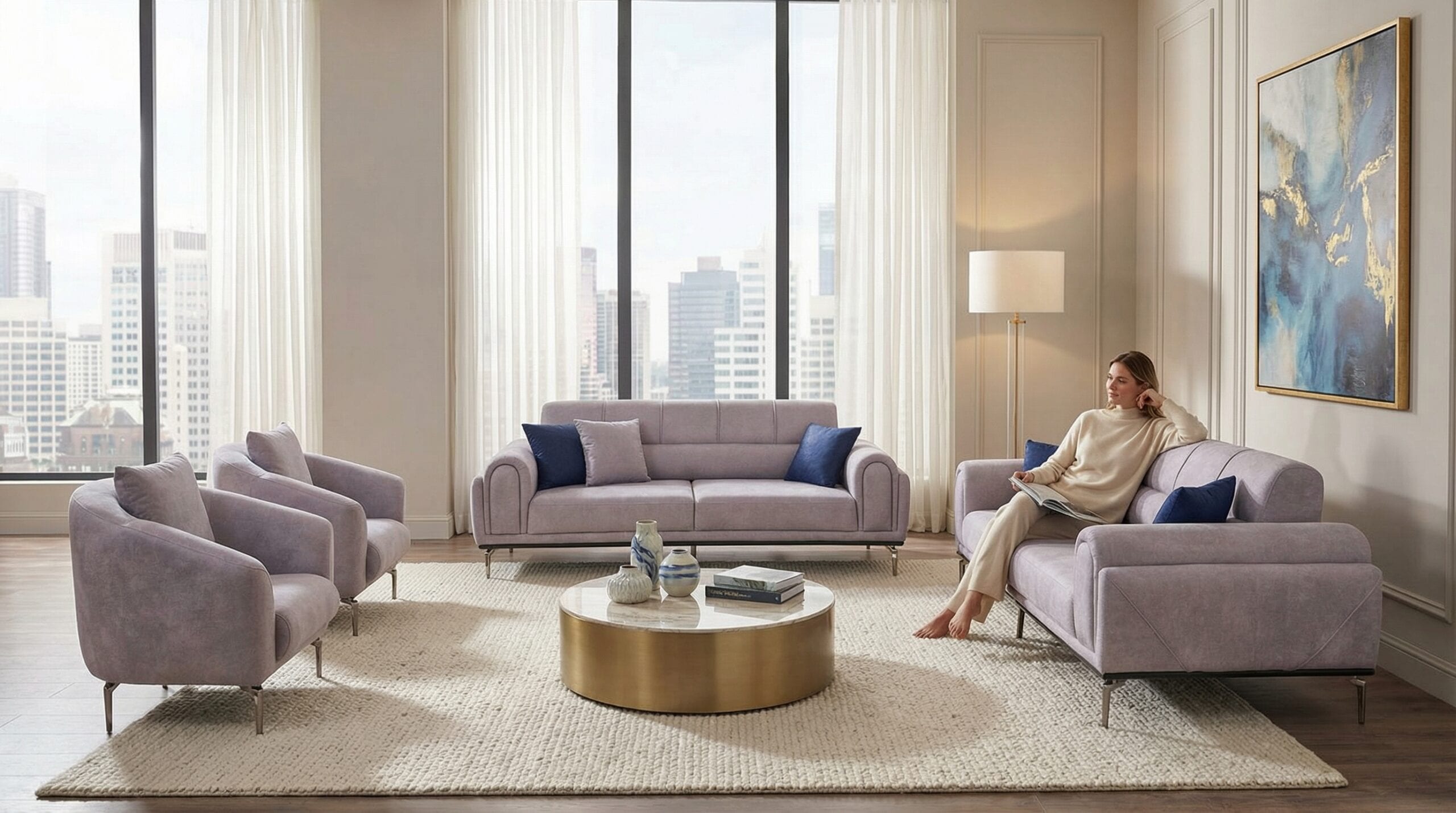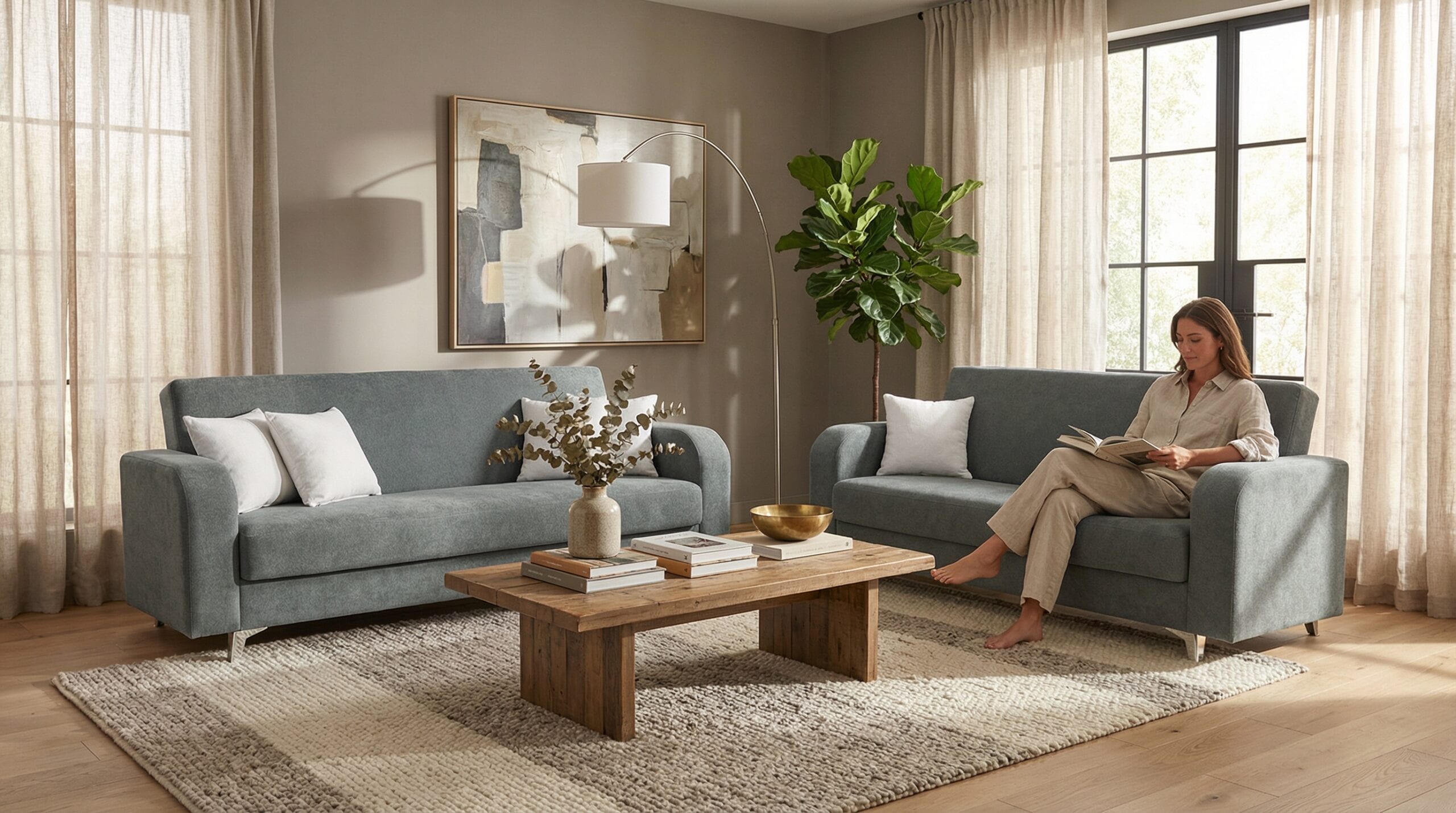
Even though studio apartments have limited square footage, they can be transformed into both comfortable and organized living spaces with the right furniture choices. Bringing together a bedroom, living area, workspace, and storage needs within a single space makes furniture selection not just an aesthetic decision but an entirely strategic one. In this guide, we'll explore multi-functional furniture solutions and space-planning techniques that truly work for studio apartments.
The First Rule of Studio Apartment Furniture: Think Multi-Purpose
In a spacious home, each piece of furniture can serve a single purpose; however, in a studio apartment, every piece should fulfill at least two functions. For instance, a bed shouldn't just be a sleeping area—it should also serve as a storage source. A coffee table should be able to double as both a workspace and a dining table. The question you need to ask yourself when buying furniture is this: Can this piece meet a different need at different times of the day?
This approach not only provides practicality but also prevents visual clutter by reducing the number of items in the home. Fewer but well-chosen furniture pieces are the most effective way to create a sense of spaciousness in a studio apartment.
Beds with Storage Systems: The Studio's Hidden Hero
In studio apartments, the space that takes up the most room but is used the least is usually under the bed. Storage bed frames make use of this empty space, hiding everything from seasonal clothing to bedding sets, extra pillows to books and magazines, out of sight.
There are a few key points to consider when choosing a storage bed frame:
- Interior capacity: The interior storage space of the bed frame should match the volume of items you want to store.
- Opening mechanism: Side-opening models are practical in narrow rooms, while lift-up chest-style models work better in larger rooms.
- Frame durability: Since it's a frequently used storage area, having a sturdy wooden frame is important for long-term use.
- Fabric choice: Easy-to-clean fabrics minimize dust and dirt buildup in a studio apartment.
Choosing among bed models that meet these criteria and fit your room's dimensions will largely solve the storage problem in a studio apartment.
Designing a Multi-Purpose Seating Area
In studio apartments, the seating area often also serves for hosting guests, relaxing, and sometimes even as an extra sleeping space. This is why it's important that the sofa or couch model you choose is both durable for everyday use and adaptable for different purposes when needed.
Keep the following points in mind when planning your seating area:
- Choose a seating group that fits the room's overall dimensions, doesn't take up too much space, but still offers comfort.
- Prioritize fabric quality; this reduces wear and staining issues from daily use.
- Keep the color choice consistent with the room's overall tone for visual harmony.
- If possible, consider models with storage compartments or modular pieces that can be rearranged.
The size of the seating group is one of the most critical decision points in a studio apartment. An oversized sofa set can overwhelm the room, while one that's too small reduces comfort. To find the right balance, first measure the room's usable area and make sure to leave at least 60-70 centimeters of walking space around the furniture.
Space-Dividing Techniques: Creating Visual Boundaries
One of the biggest challenges of a studio apartment is creating the feeling of multiple "rooms" within a single space. Without the option of building walls, there are several effective ways to achieve this:
- Using rugs: You can create visual zones by placing different rugs in different areas. For example, using one rug in the seating area and another in the bed area mentally separates the space.
- Open shelving or bookcases: Open shelf systems that can be used from both sides provide storage while also separating the bed and seating areas from each other.
- Varying lighting: Using dedicated lighting for each zone changes the spatial perception as you transition between different activities throughout the day.
- Furniture orientation: Even having the back of a sofa face the bed area creates a sense of boundary.
None of these techniques require a physical wall, but when applied correctly, they can make a studio apartment feel like two or three separate "rooms."
Creating Spaciousness Through Color and Material Choices
One of the most effective ways to break the perception of limited space in studio apartments is through color and material selection. Light-toned fabrics and wooden surfaces create a sense of a larger space to the eye. Dark and heavy colors, on the other hand, can make the room look even smaller if not used correctly.
The leg structure of the furniture also matters. Furniture with thin, elevated legs allows the floor to be visible, providing visual lightness. Furniture that sits flush on the ground with a closed base structure, on the other hand, can make the space look more crowded.
Material durability is also a critical issue for studio apartments. In small spaces, furniture is touched and used more frequently in daily life; therefore, pieces with sturdy frame structures like beech wood and easy-to-wipe fabrics offer an advantage in terms of both appearance and durability in the long run.
Common Mistakes Made During the Planning Stage
Some frequently made mistakes when arranging a studio apartment can make the space appear narrower and more cluttered than it needs to be:
- Ordering furniture without measuring the room's dimensions
- Trying to fill every corner with an item, leaving no empty space
- Combining too many pieces of furniture in different styles and colors
- Ignoring storage needs and choosing based solely on visual preferences
- Planning furniture placement without accounting for walking paths
The simplest way to avoid these mistakes is to create a scaled plan of the room on paper before buying furniture and to determine the placement of each piece in advance.
Conclusion: The Power of Fewer but Better Choices
The secret to creating a successful living space in a studio apartment isn't accumulating lots of items, but choosing a small number of furniture pieces with the right functionality. With a storage bed system, a multi-purpose seating group, and proper space-dividing techniques, studio apartments can become both practical and aesthetically satisfying living spaces. When choosing furniture, evaluating the room's dimensions, your daily usage habits, and your long-term durability needs together will make it easier to make the right decisions.
Let's find the right model together
Let Belvora AI recommend the best model for your room size and lifestyle.
Get a free quote