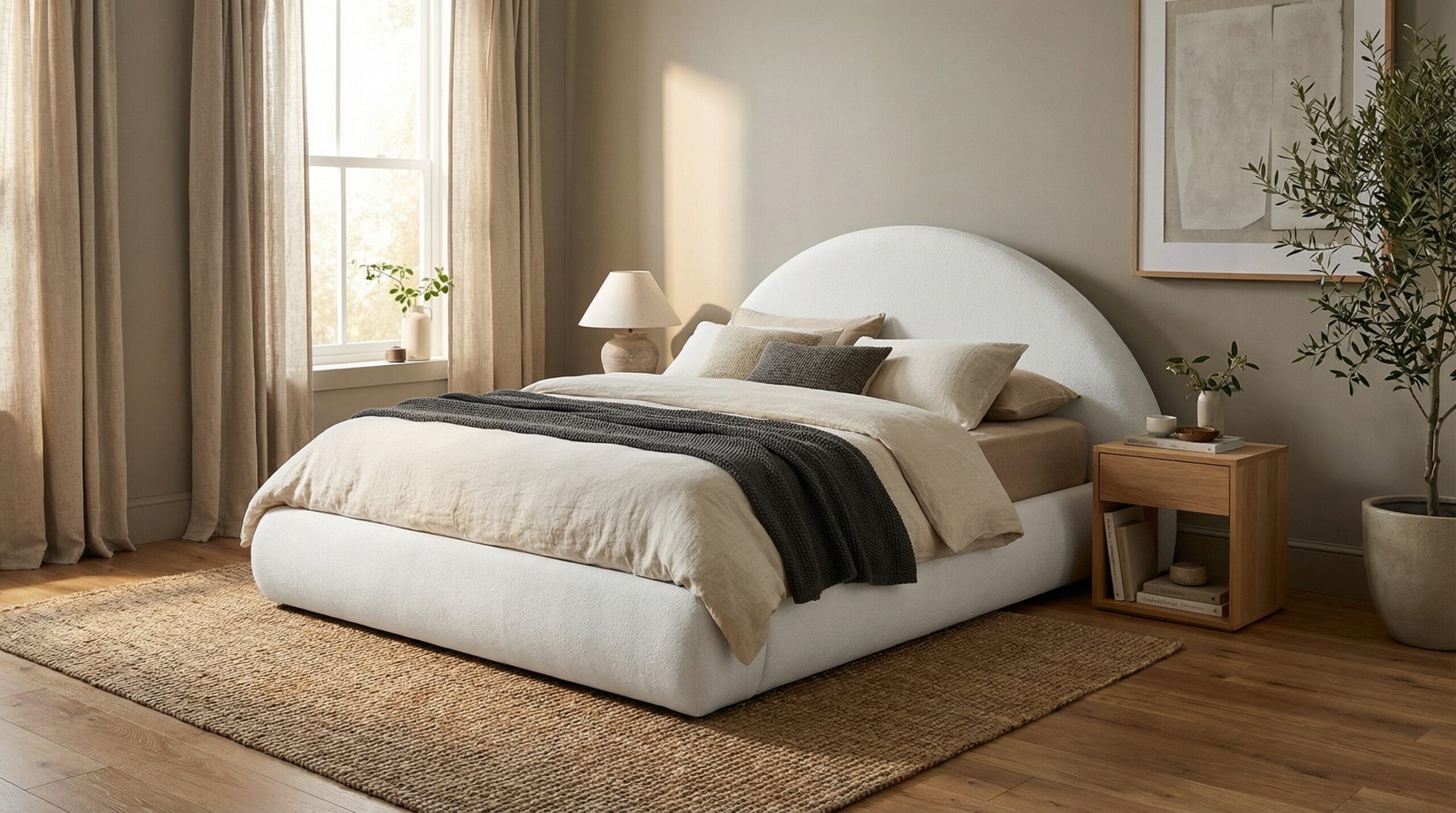
When choosing a sofa set, couch, or bed, most consumers focus on the fabric's color, design, or price. Yet the real factor determining whether a piece of furniture can be used trouble-free for years is the warranty terms and after-sales service policy—details that are often overlooked at the time of purchase. In this article, we explain what a furniture warranty actually means, what it does and doesn't cover, and what you should pay attention to regarding after-sales support, with concrete examples.
What Exactly Does a Furniture Warranty Cover?
The concept of warranty doesn't follow a standard framework in the furniture industry; each manufacturer sets its own warranty policy. That's why phrases like "2-year warranty" or "5-year warranty" alone don't tell you much. What really matters is which components the warranty covers:
- Frame warranty: This generally covers the wooden or metal support structure against breaking, cracking, or deformation. Since this is the most critical part of the furniture, its warranty period is usually longer than that of other components.
- Foam and padding warranty: This covers sagging and loss of shape over time. Products using low-density foam tend to develop these complaints sooner.
- Fabric warranty: This covers fading, tearing, or seams coming undone; however, staining caused by user error is generally not covered.
- Mechanism warranty: This covers moving parts such as bed-opening systems and armrest mechanisms, and typically has a shorter duration than the frame warranty.
When examining a product, requesting a separate warranty period for each of these four components from the seller prevents uncertainty down the line.
What to Look for in a Warranty Document
Verbal warranty promises hold little legal weight. That's why requesting a written warranty document during the purchase process is essential. A solid warranty document should clearly include the following information:
- The manufacturer's or seller's clear contact information (address, phone, email)
- The warranty's start date (it should be explicitly stated whether this is the invoice date or the delivery date)
- Situations excluded from coverage (misuse, transport damage, exposure to sunlight, etc.)
- The procedure to follow and the contact channel in case of a defect
- Whether a part replacement or a full product replacement will be provided
The more detailed the "exclusions" section of a warranty document is, the more transparent the seller is being. Vague or overly brief warranty texts often leave room for differing interpretations when an issue arises.
How Should the After-Sales Service Process Work?
Just as important as the warranty itself is how easily you can reach the company after the sale. Especially with bulky items (sofa sets, couches, bed bases), issues like assembly, transport damage, and mechanism failures are the most common after-sales requests. A well-functioning after-sales service process includes:
- A clear contact channel: A reasonable response time (usually within 24-48 hours) when reached by phone or email
- On-site inspection option: The ability for the technical team to review complaints—especially those related to the frame or mechanism—via photos or an on-site visit
- Spare parts availability: The ability to source replacement parts such as legs, fabric covers, or mechanism components for a certain period
- Transparent process tracking: Keeping the customer informed about the status of their request
Checking whether a company's contact information is easy to find before making a purchase gives you clues about the after-sales experience. A clear contact page, phone number, and email address on the website can be a sign of a well-organized after-sales structure.
How Does Material Quality Affect the Warranty Period?
No matter what the warranty period says on paper, the quality of the raw materials used determines the furniture's actual lifespan. For instance, the type of wood used for the frame makes a big difference:
- Hard and dense wood types like beech are more resistant to cracking and bending compared to softer woods like pine.
- Easy-to-clean, water-repellent fabrics reduce the risk of staining and wear, especially in homes with children or high-traffic areas.
- The higher the foam density (measured in kg/m3), the longer the seating comfort will last.
For this reason, when making a purchase decision, it's important to look not only at the warranty period but also at the material details specified in the product description. For example, when choosing a sofa set, learning about the type of frame wood and fabric properties is just as important as the clauses in the warranty document.
Questions to Ask Before You Buy
Asking the right questions to a sales representative—whether in-store or online—can prevent future disappointments. The following list of questions can serve as a checklist:
- What are the separate warranty periods for the frame, foam, fabric, and mechanism?
- Is the warranty document provided at delivery, or is it issued upon request?
- Is damage that occurs during transport covered under warranty?
- For how long is the availability of spare parts (fabric, legs, mechanism) guaranteed?
- Through which channel are defects reported, and what is the average response time?
A seller who can give you clear and consistent answers to these questions is more likely to offer reliable support after the sale as well. It's worth remembering that a warranty isn't insurance against a product's poor quality—it's concrete proof of the manufacturer's confidence in what they've made.
In conclusion, long-term satisfaction in furniture shopping depends just as much on the clarity of warranty coverage and how well after-sales service functions as it does on design and price. Requesting a written document, asking about material details, and testing the company's contact channels beforehand will put your purchase decision on much firmer ground.
Let's find the right model together
Let Belvora AI recommend the best model for your room size and lifestyle.
Get a free quote