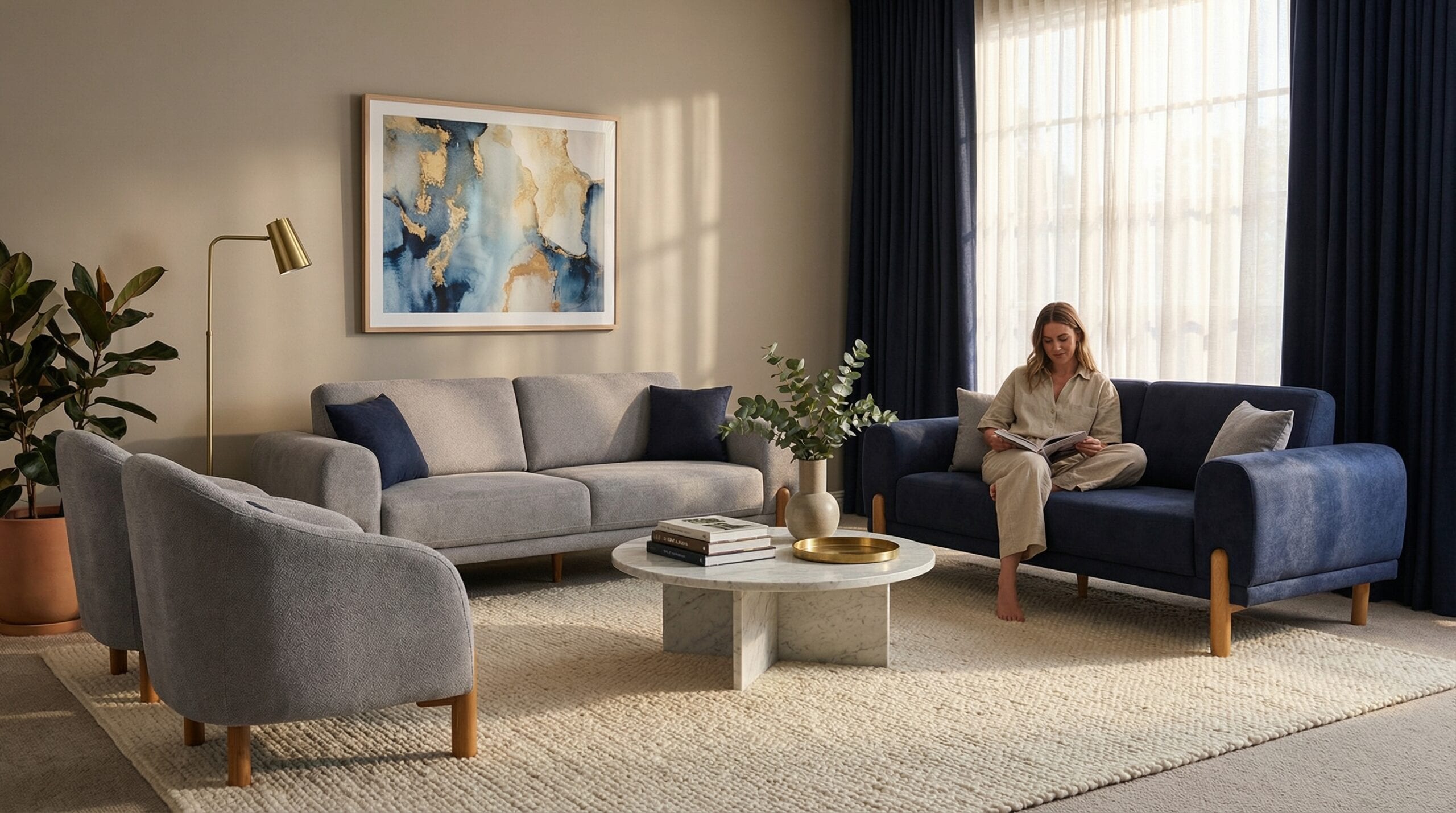
The most common mistake first-time home owners make is starting their furniture shopping randomly. When an appealing sofa catches their eye, it gets purchased immediately, leaving little to no budget for the bedroom, or the dining table gets forgotten entirely. However, with the right order and a realistic budget plan, unnecessary spending can be avoided and the home can be furnished in a more cohesive way. In this guide, we offer a practical shopping order and budget breakdown for first-time home owners.
Why Does Order Matter So Much?
The impulsive shopping that comes with the excitement of moving into a new home often leads to an imbalanced budget distribution. For instance, overspending on living room decor can result in neglecting bedroom or kitchen needs. Yet every home has essential needs that directly affect daily life, and these should be addressed first. When determining the order, it helps to ask: "How would my daily life be disrupted without this item?" The bed, seating area, and kitchen essentials rank highest in answer to this question.
Step-by-Step Shopping Order
The order below is a general roadmap that works for most first-time home setup processes. Of course, small adjustments can be made according to personal priorities, but the basic logic remains: essential needs first, comfort second, and aesthetic details last.
- Bed and basic bedroom furniture: Since healthy sleep directly affects daily performance, choosing a bed should top the list. Base heights, frame material, and fabric quality should be carefully examined at this stage.
- Kitchen and dining area essentials: Table, chairs, and basic kitchen items should come second for a proper eating routine.
- Seating area furniture: A sofa or living room set is important for hosting guests and daily relaxation, but can be planned after the bed and kitchen.
- Storage solutions: Items like wardrobes, consoles, and bookshelves help maintain order in the home and typically come into play in the third stage.
- Decorative and complementary items: Details such as rugs, lighting, and artwork should be addressed in the final portion of the budget.
Following this order ensures both a proper budget distribution and guarantees that the home's most critical needs are not left incomplete.
Budget Planning Method: Percentage Distribution
Dividing your total furniture budget into categories is the most practical way to keep spending under control. The percentage breakdown below serves as a general guide for first-time home owners:
- 35% - Bedroom: Allocated for essential items such as the bed, base, and wardrobe.
- 25% - Seating area: Planned for living room items such as a sofa, armchair set, or coffee table.
- 20% - Kitchen and dining area: Covers the table, chairs, and storage units in this category.
- 10% - Storage and organization: Set aside for items such as cabinets, shelves, and consoles.
- 10% - Decoration and details: Reserved for complementary elements such as rugs, lighting, and accessories.
These ratios are not fixed rules; they can be adjusted according to personal lifestyle. For example, if the home frequently hosts guests, the seating area allocation can be increased, and if the home will also serve as an office, a separate budget item should be created for the workspace.
What to Consider in Material and Durability
One of the biggest mistakes made when setting up a first home is focusing solely on appearance while overlooking material quality. Yet the longevity of furniture translates into long-term savings. The following points should be considered when making a purchase decision:
- Frame material: When the wooden frame is made from hard and durable types such as beech, the risk of deformation decreases.
- Fabric quality: Easy-to-clean fabrics should be preferred to reduce the risk of stains and wear from daily use. This criterion becomes even more important in homes with children or pets.
- Foam and filling density: In sofas and beds, the density of the filling material directly affects sitting and sleeping comfort. Low-density fillings can lose their shape quickly.
- Connection and assembly quality: The sturdiness of screws, dowels, and connection points determines the furniture's durability during transport and daily use.
Choices made with attention to these criteria lead to furniture that can be used for years without issues. For instance, when choosing seating area furniture, comparing different options in the sofa sets category in terms of material and size helps find the product best suited to your needs.
Common Budget Mistakes
There are pitfalls that first-time home owners frequently fall into when budget planning. Knowing these in advance prevents both time and money loss.
- Spending the entire budget on a single room: Buying a luxurious set for the living room while neglecting the bedroom negatively affects daily comfort.
- Not setting aside a reserve budget: At least 5-10% of the total budget should be kept as a reserve for shipping, assembly, or unexpected additional needs.
- Shopping without taking measurements: Furniture purchased without measuring the room carries the risk of not fitting the space or looking disproportionate.
- Chasing trendy products: Furniture chosen based on short-lived fashion trends can look outdated within a few years. Classic and timeless designs can be used for much longer.
Conclusion: A Well-Planned Start
For first-time home owners, furniture shopping becomes far more manageable with the right order and a realistic budget plan. Setting priorities from essential needs to aesthetic details ensures a balanced budget distribution. Paying attention to material quality helps the investment retain its value for many years. It should be remembered that setting up a home is like a marathon; rather than trying to complete everything at once, progressing with planned steps yields a more sustainable result in terms of both budget and quality of life.
Let's find the right model together
Let Belvora AI recommend the best model for your room size and lifestyle.
Get a free quote