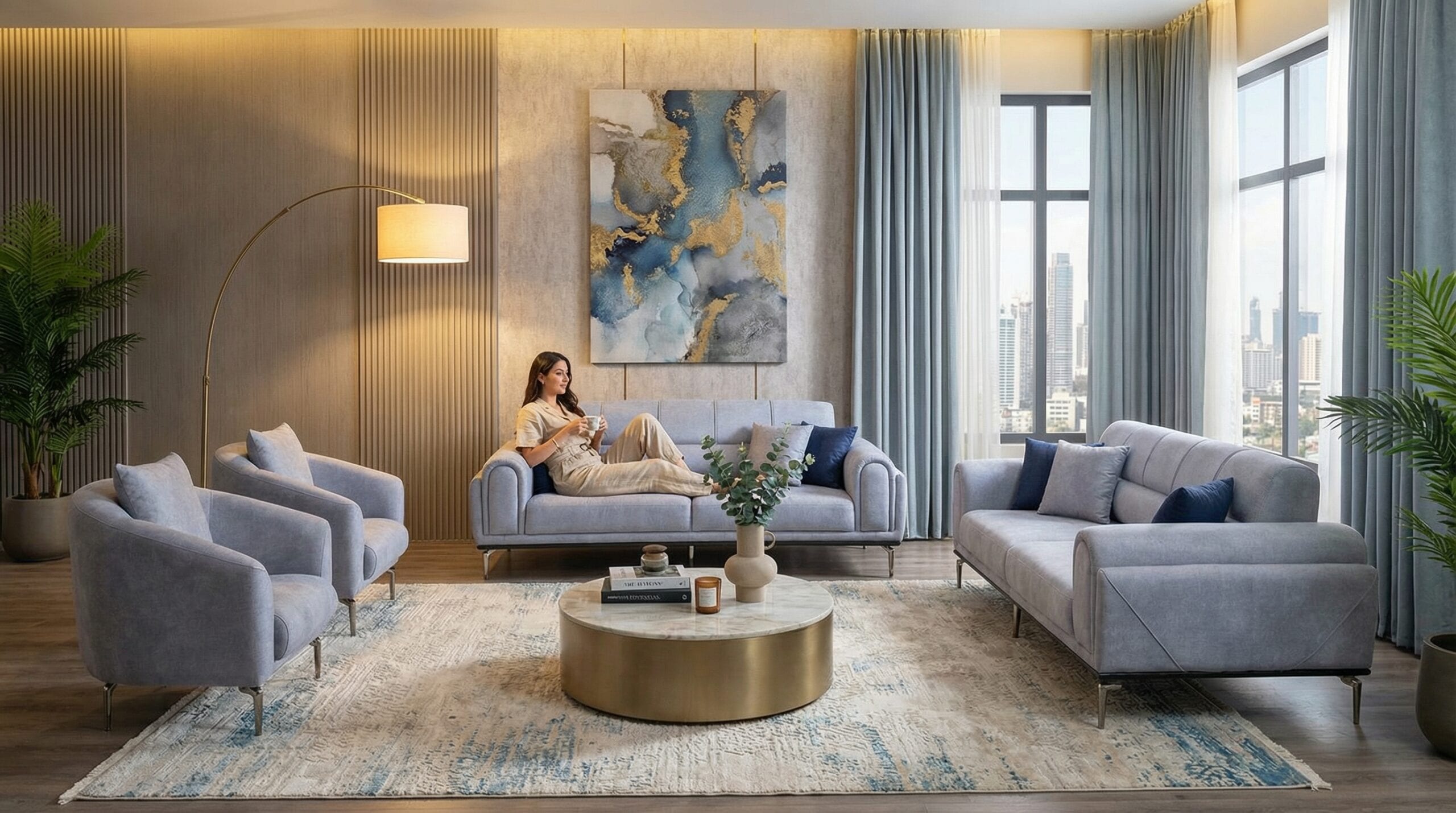
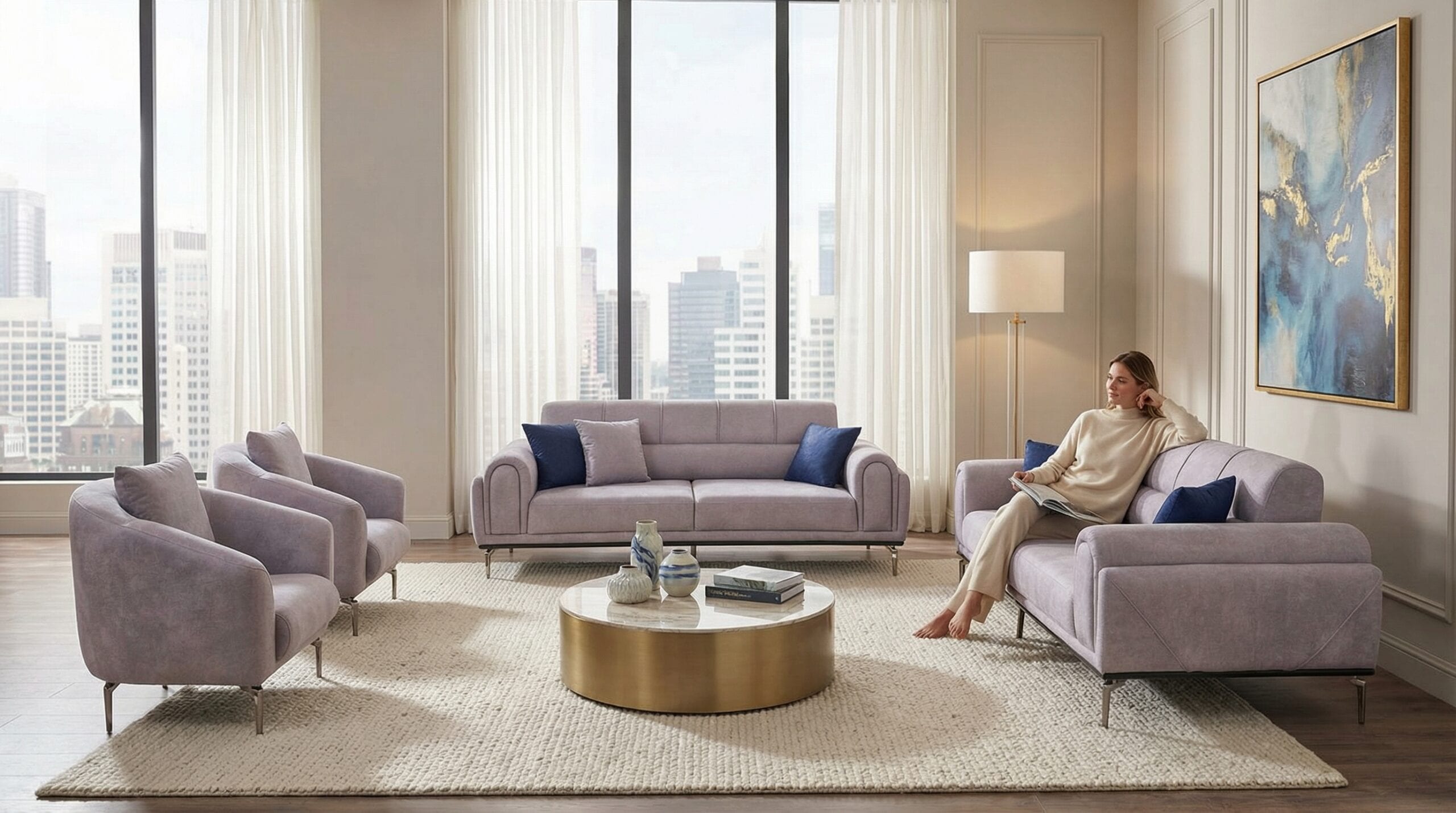
Even the most expensive armchair or the most carefully chosen sofa in a room can look dull under poor lighting. On the other hand, the right light sources and angles can turn even the simplest furniture into the focal point of a room. Lighting is just as much a part of design as furniture itself—yet it's often the last detail people think about. In this article, we explore lighting techniques, types of light, and practical placement suggestions that help your furniture stand out at home.
Why Lighting Can Matter More Than Furniture Itself
Furniture selection is usually based on color, fabric, and form; however, the first thing you notice when you walk into a space is actually how light is distributed throughout it. Insufficient or poorly positioned lighting can make even the best-designed furniture look flat and lifeless. Layered, purposeful lighting, on the other hand, brings out the texture, color, and form of furniture. For example, a sofa's fabric texture looks far richer under soft side lighting, while harsh overhead light can flatten the same fabric and make it look ordinary.
Lighting also affects how large a space feels. Light sources placed at the right points add depth to a room and create the impression that furniture pieces belong to a cohesive composition rather than standing independently.
Lighting Layers: Ambient, Task, and Accent Light
Professional interior designers never rely on a single light source when lighting a room. Instead, they combine three different layers:
- Ambient light: This is the main light source—such as ceiling fixtures or spot systems—that illuminates the entire room evenly. This layer provides the space's basic visibility, but if left on its own, it can make furniture look flat.
- Task light: Lighting aimed at a specific activity, such as reading lamps or desk lamps. A reading lamp placed next to an armchair not only adds functionality but also visually highlights that corner.
- Accent light: Directional lighting used to highlight a specific piece of furniture, an artwork, or a corner. An LED strip placed behind a sofa or a spotlight aimed at a bookshelf are examples of this layer.
Combining these three layers provides balanced lighting that is both functional and aesthetic. A room that relies solely on a ceiling lamp usually feels flat and lacking in character.
Lighting Approaches by Furniture Type
Each piece of furniture requires a different lighting approach. Below are practical recommendations for common furniture types.
Sofa and Seating Groups
One of the most effective methods for seating areas is placing floor lamps on either side of the sofa. These lamps provide functional light for activities like reading while also visually defining the boundaries of the sofa. Indirect LED lighting placed on the wall behind the sofa brings out the texture of the fabric and adds a warm atmosphere to the seating group. This technique is especially effective with dark-colored fabrics, as the light highlights the shadow and texture details on the fabric's surface.
Bedroom Furniture
In the bedroom, night lamps used around the bed base and headboard serve a practical function while also creating a soft frame around the bed. For models with taller bed bases, indirect light sources placed close to the floor—such as an LED strip hidden beneath the base—can give the furniture a floating appearance, creating a modern look.
Children's Rooms
In children's rooms, soft and diffused light should be preferred over harsh, direct light. Wall-mounted night lamps with soft tones are ideal both for safety and for making furniture (such as an armchair or bookshelf) visible without creating disturbing shadows.
Color Temperature and Furniture Color Harmony
The color temperature of lighting (measured in Kelvin) directly affects how furniture color is perceived. As a general rule:
- 2700-3000K (warm white): Enriches texture on wood-toned furniture and warm-toned fabrics like beige, brown, and mustard. This is generally the preferred range for living rooms and bedrooms.
- 3500-4000K (neutral white): Pairs well with cool-toned fabrics like gray and navy; suitable for workspaces and seating areas near the kitchen.
- 5000K and above (cool white): Generally not recommended for living spaces, as it can make furniture colors look pale and clinical; it's more commonly used in technical areas.
The same piece of furniture can look completely different under lights of different color temperatures. That's why, before purchasing a new lighting fixture, it's important to consider the fabric and wood tones of the furniture you already have at home.
Practical Placement Tips
Here are some practical points to keep in mind when harmonizing lighting with furniture:
- Plan light sources from at least three different angles around the furniture: Rather than relying solely on overhead light, add sources from the side and below to bring out texture and form.
- Keep shadows under control: Harsh shadows can flatten furniture; opt for lampshades or diffused fixtures to create soft transitions.
- Use symmetry: Lamps placed symmetrically on either side of a sofa give the seating group a balanced and orderly appearance.
- Don't neglect indirect lighting: Light reflected off walls and ceilings creates a soft halo around furniture, bringing the piece to the forefront.
- Choose fixtures proportional to scale: Placing a very small lamp next to a large sofa set creates visual imbalance; fixture size should be proportional to the scale of the furniture.
When applying these tips, prioritizing large-volume furniture such as your existing sofa sets at home will give you the most visible results. This is because seating areas are typically where people spend the most time in a room, and therefore are the most noticeable.
What Should You Keep in Mind?
Lighting is a design element that should never be considered separately from furniture selection. Combining ambient, task, and accent light brings out the texture and form of furniture while adding depth to a space. Choosing a color temperature that harmonizes with the furniture's tones ensures that even the simplest pieces look distinctive. Reviewing your current lighting setup before buying new furniture is sometimes the most economical way to refresh a space without needing new pieces at all. However, even if you set up your lighting perfectly, if the furniture itself isn't made with quality materials and good craftsmanship, these details will become apparent over time. That's why, when planning your lighting, choosing reliable furniture in terms of both aesthetics and durability helps protect the value of your investment.
Let's find the right model together
Let Belvora AI recommend the best model for your room size and lifestyle.
Get a free quote